Thought Leadership
Browse by type Speaking · Media · Publications
Browse by subject Hazard Mitigation and Resilient Infrastructure · Insurance and Disaster Financing · FEMA and Federal Disaster Policy · Emergency Management and Disaster Response · Homeland Security and National Preparedness
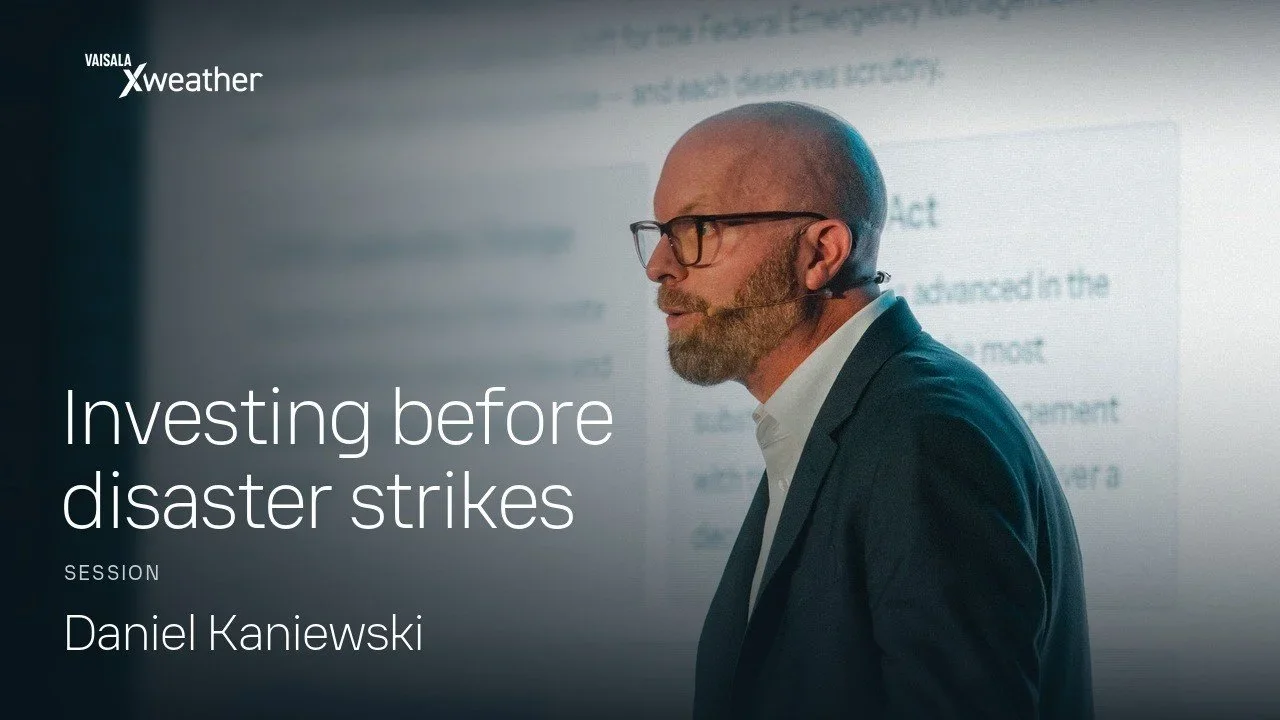
Who Pays for Resilience? FEMA, Policy, and Incentives
Xweather First 2026. Charleston, South Carolina. November 4, 2026. Watch the Xweather First talk
At Xweather First, Kaniewski examined how public policy, insurance and lending incentives can help finance resilience before disasters. He used Alabama’s fortified-roof program to show how grants and insurance discounts can encourage homeowners to reduce wind losses. He also proposed that lenders help finance upgrades that could reduce borrowers’ risk of falling behind on their mortgages after a disaster. [Full video]
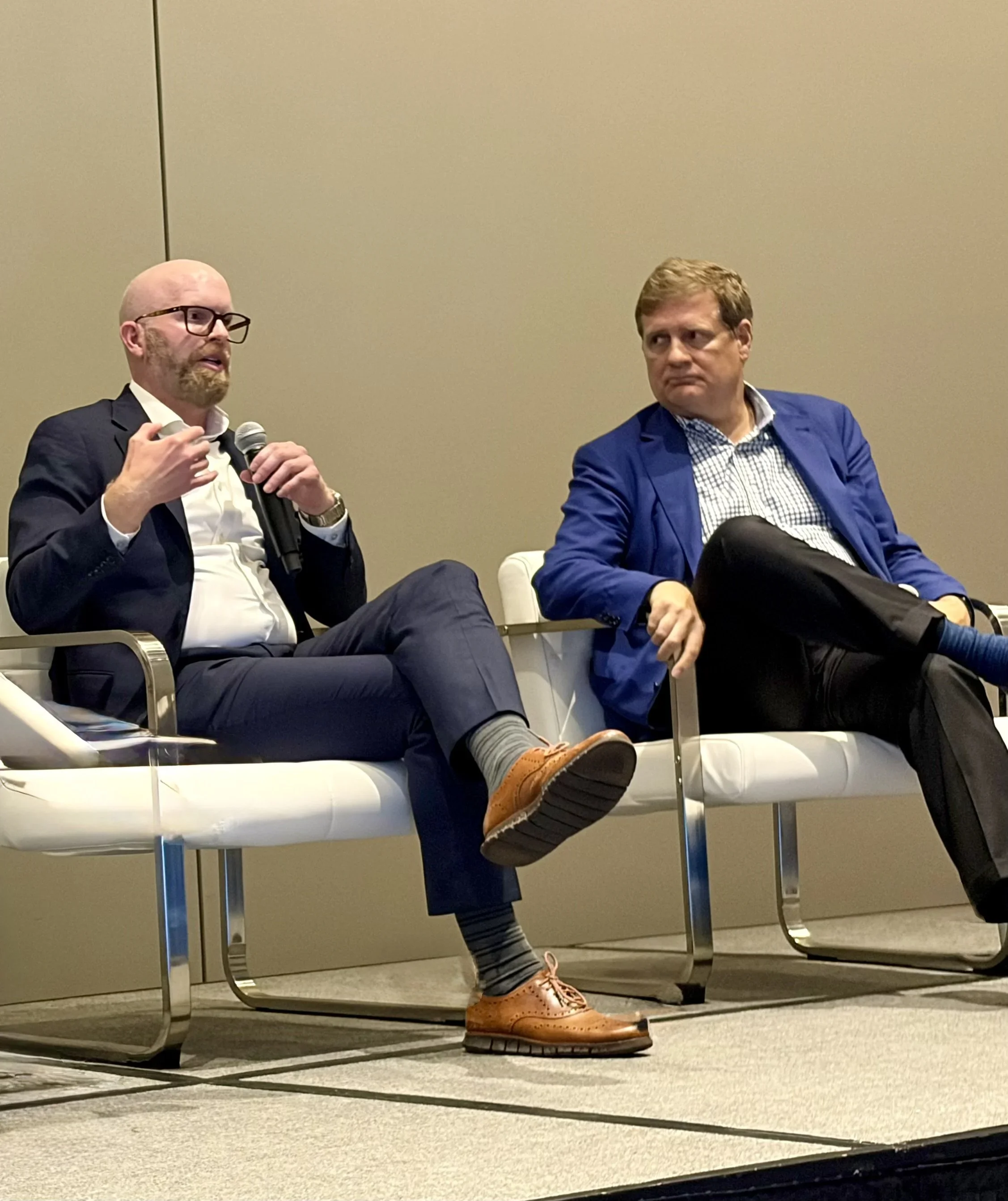
Storm-proof Your State: Disaster Policy, Planning and Preparedness
National Conference of State Legislatures Legislative Summit. July 28, 2026. View source
Kaniewski addressed state legislators on the future of disaster response, recovery, and resilience, including practical ways states can strengthen preparedness and hazard mitigation.
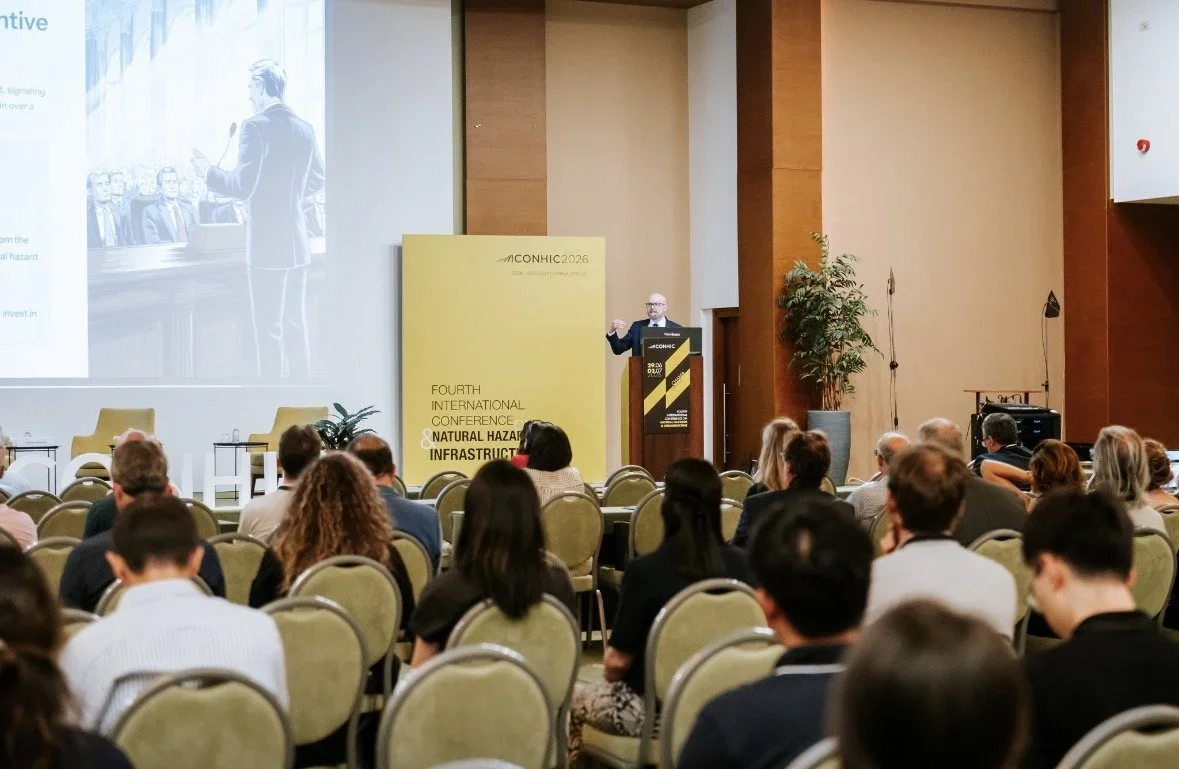
Building Resilience Before the Next Disaster: Lessons from Policy and Practice
International Conference on Natural Hazards and Infrastructure. Crete, Greece. July 1, 2026. View source
In his Crete keynote, Kaniewski drew on his experience as a firefighter and FEMA official to explain three pillars of resilience: preparedness, mitigation and insurance. He argued for financing risk reduction before disasters and aligning the incentives of property owners, lenders, insurers and governments that benefit when infrastructure continues to function.
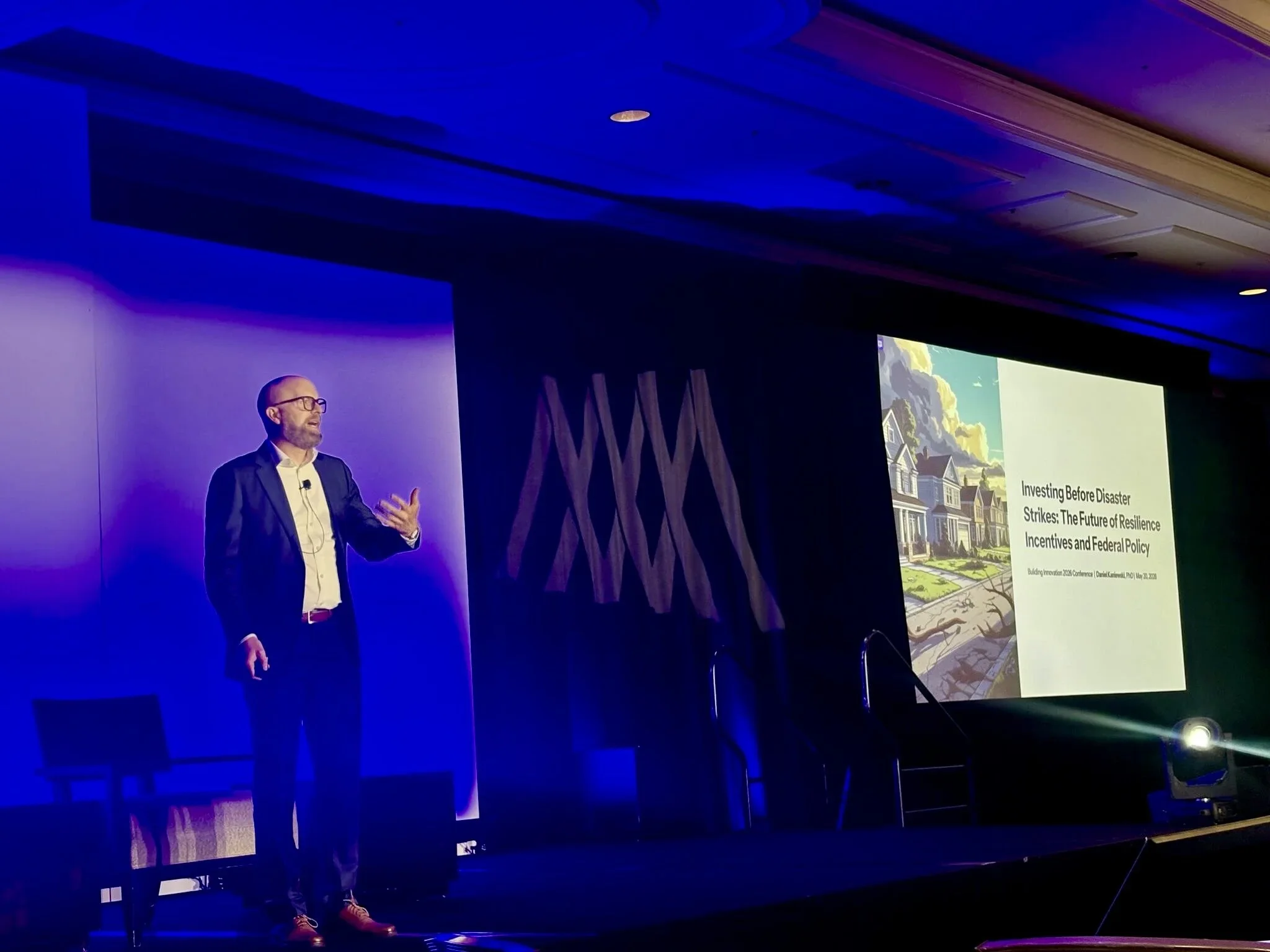
Building Innovation 2026
National Institute of Building Sciences. May 20, 2026. Event recap on LinkedIn
In the closing keynote, Kaniewski argued that owners can bear the cost of a retrofit while insurers, lenders and governments share the benefits. He discussed how grants and insurance pricing can encourage upgrades, and proposed that lenders consider low- or no-interest financing for improvements that could reduce the risk of missed payments after a disaster.

Disaster Resilience in a Changing Risk Landscape
Insurance Innovators 2026. May 11, 2026. View source
Addressing insurance professionals, Kaniewski compared underwriting with FEMA’s reimbursement of public disaster losses. He argued that rebuilding aid can weaken incentives to reduce risk and that insurers and emergency managers share an interest in rewarding mitigation before the next loss.
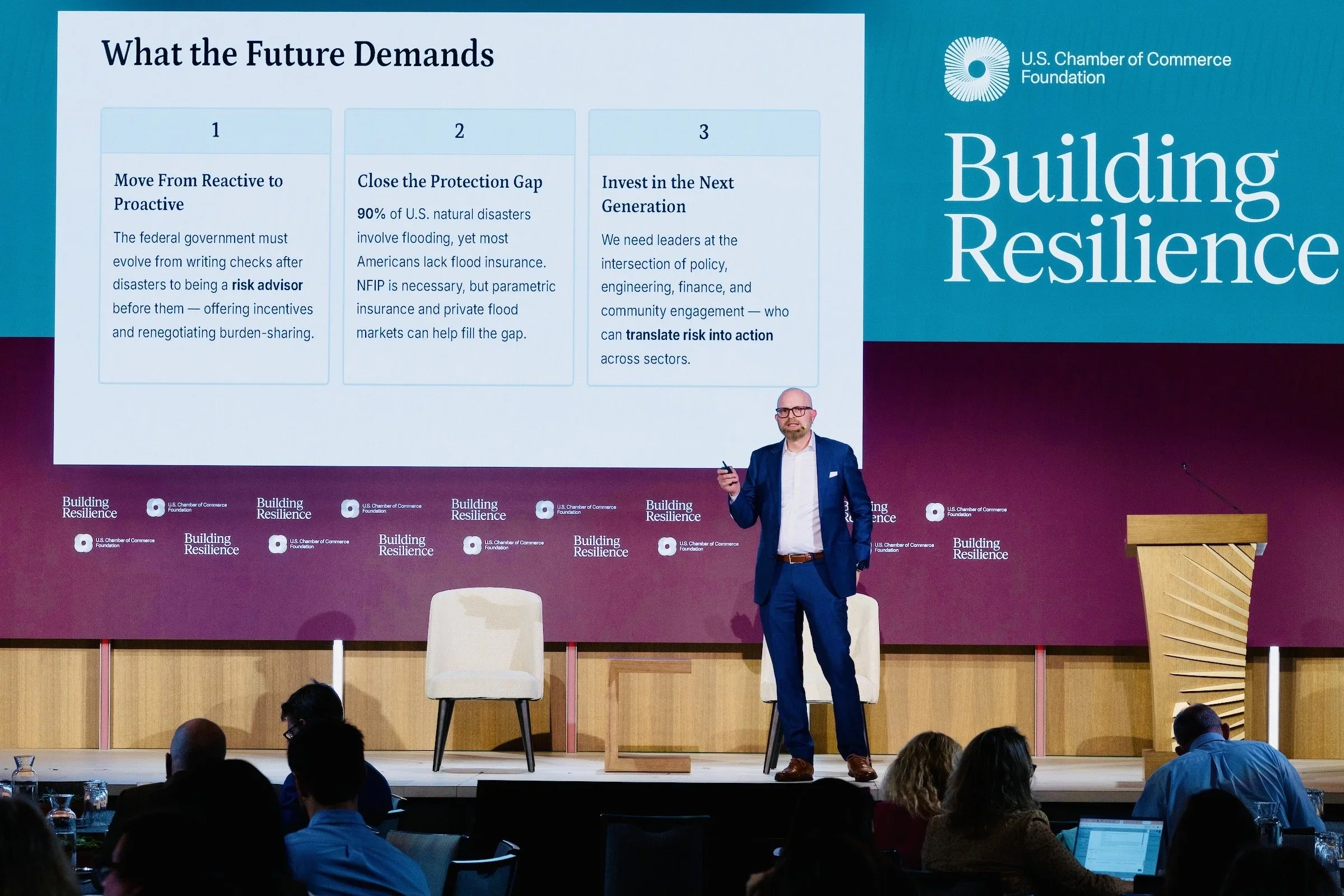
Building Resilience Conference 2026
U.S. Chamber of Commerce Foundation. May 6, 2026. View source
Kaniewski argued that FEMA should advise communities on risk before disasters strike. Using the example of an Alabama fortified roof, he showed how public grants and insurance discounts can make an upgrade practical for homeowners and why lenders also have a financial stake in reducing losses.
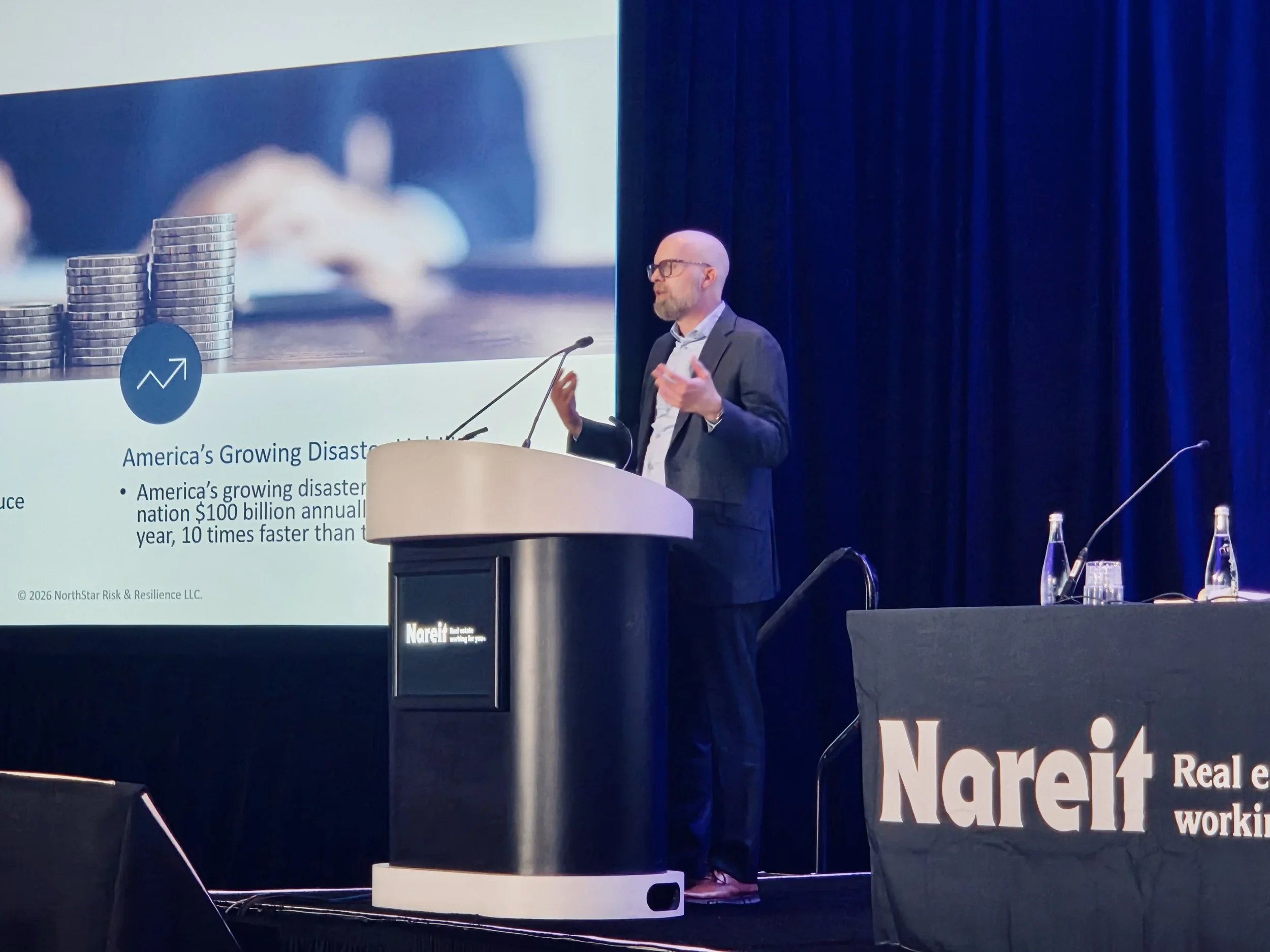
Emergency Management and Insurance Public Policy Priorities
Nareit REITwise Law, Accounting and Finance Conference. March 24, 2026. View source
Kaniewski briefed the National Association of Real Estate Investment Trusts on insurance and emergency management policy priorities affecting the real estate sector.
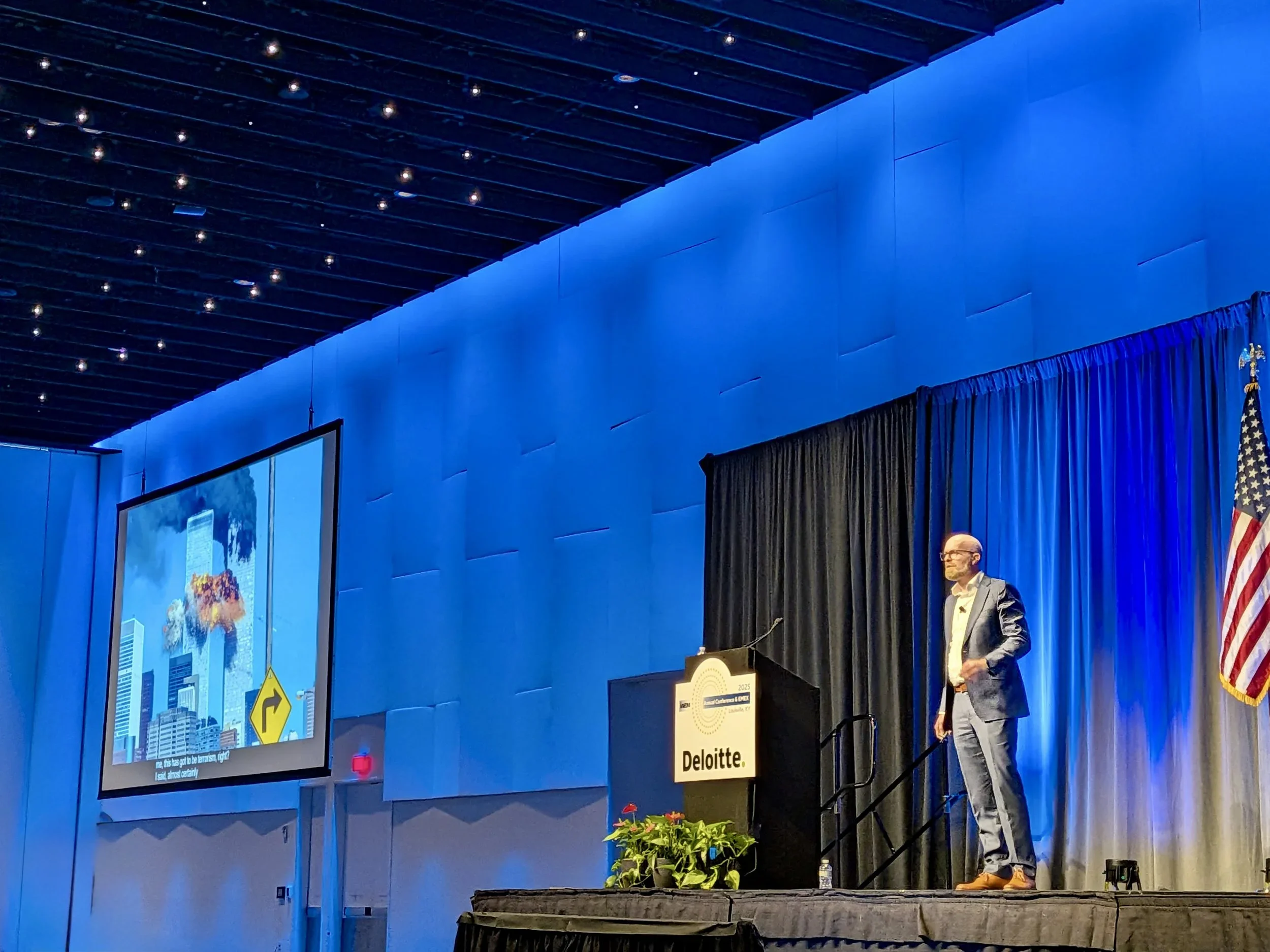
The Disasters That Define Us
International Association of Emergency Managers Annual Conference. November 18, 2025. Conference post on LinkedIn
Drawing on his experience at the White House and FEMA, Kaniewski used personal accounts, operational decisions and policy responses from 9/11, Hurricanes Katrina and Maria, and the COVID-19 pandemic to draw lessons for emergency managers preparing for future catastrophic events.
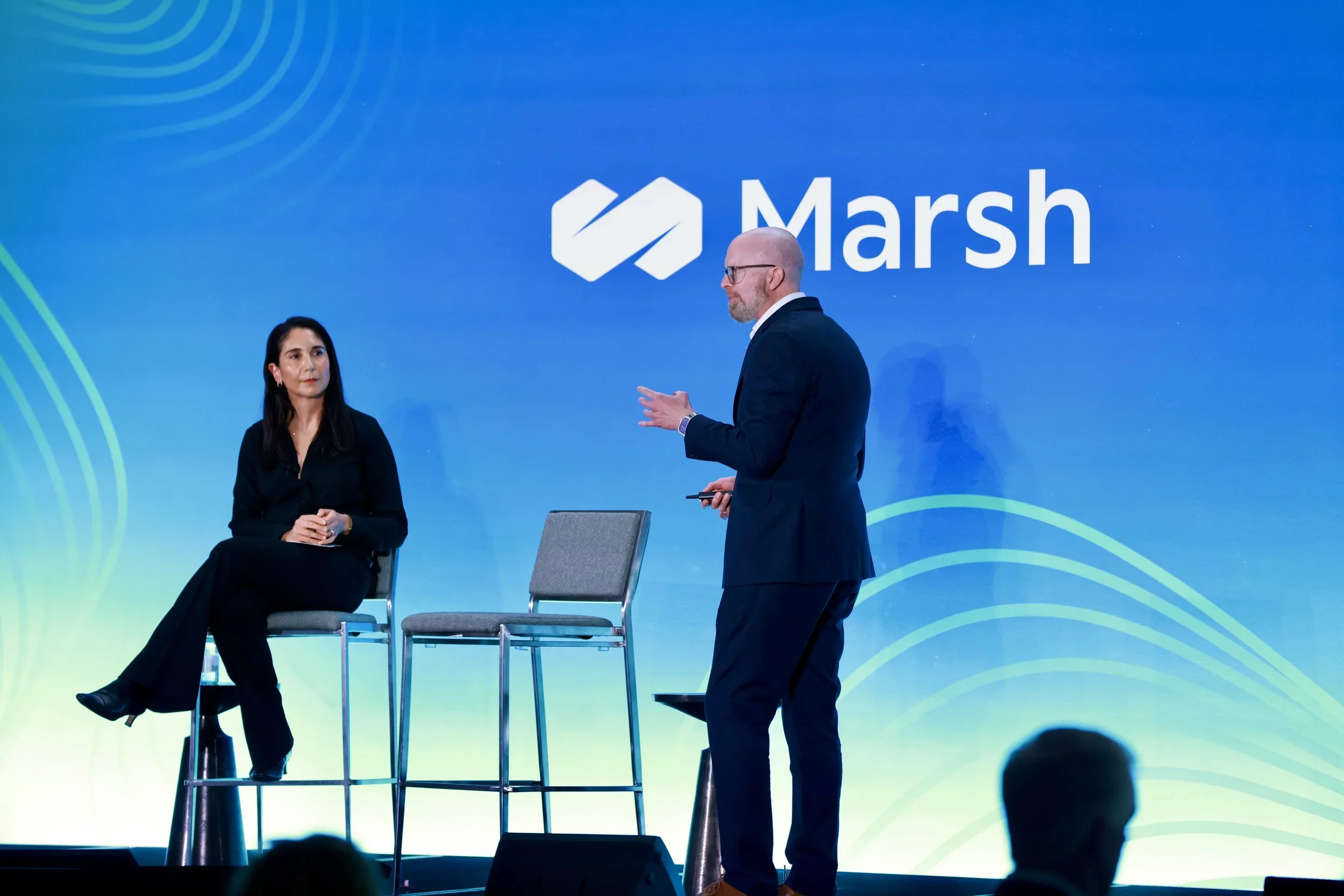
Marsh Global Real Estate and Hospitality Conference
Marsh. November 6, 2025. View source
Kaniewski shared public-policy and operational perspectives on disaster resilience with real estate and hospitality risk leaders.